GDPR for LPR/ANPR: what you need to know
Automatic number plate recognition (LPR/ANPR) processes personal data. That doesn't mean you can't use it — it means it has to be configured correctly, with clear processing rules.
A number plate is personal data
Automatic number plate recognition (LPR/ANPR) processes personal data, because a plate can be linked to a person. That doesn't mean you can't use it — it means it has to be used correctly, with clear rules.
A legal basis and a well-defined purpose
Any processing needs a legal basis and a precise purpose (access control or subscription management, for example). The data is used only for that purpose and is not kept “just in case”. We recommend setting the basis and the purpose together with your data protection officer or a consultant — every site has its own particularities.
Informing drivers
People whose cars are read must be informed. In practice, that means visible signage at the entrance and an accessible privacy policy explaining which data is collected, why and for how long.
Minimisation and retention
- collect only what the purpose requires
- set a clear retention period for images and records
- limit who has access to the data
- delete the data once it is no longer needed
What we configure by design
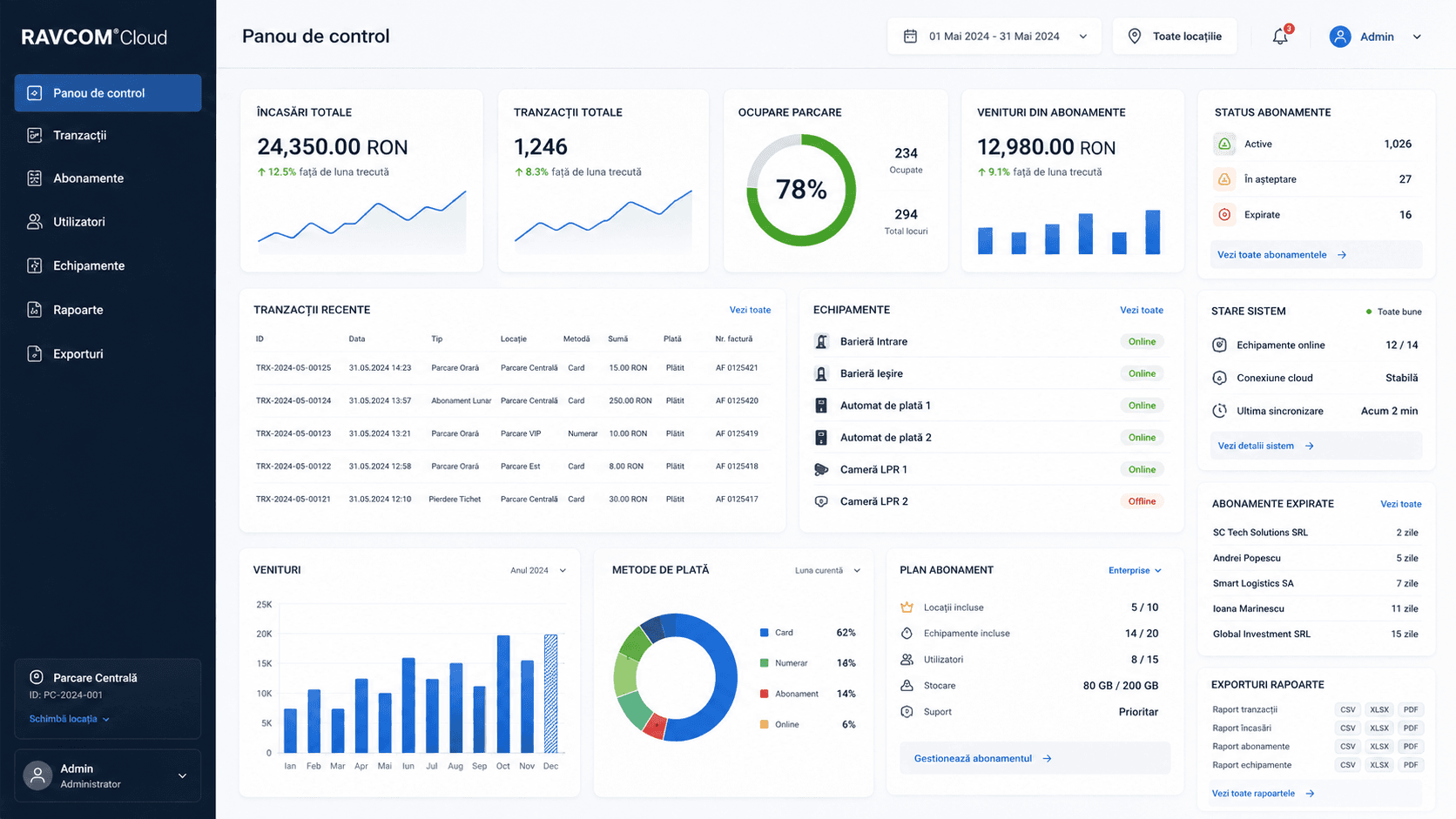
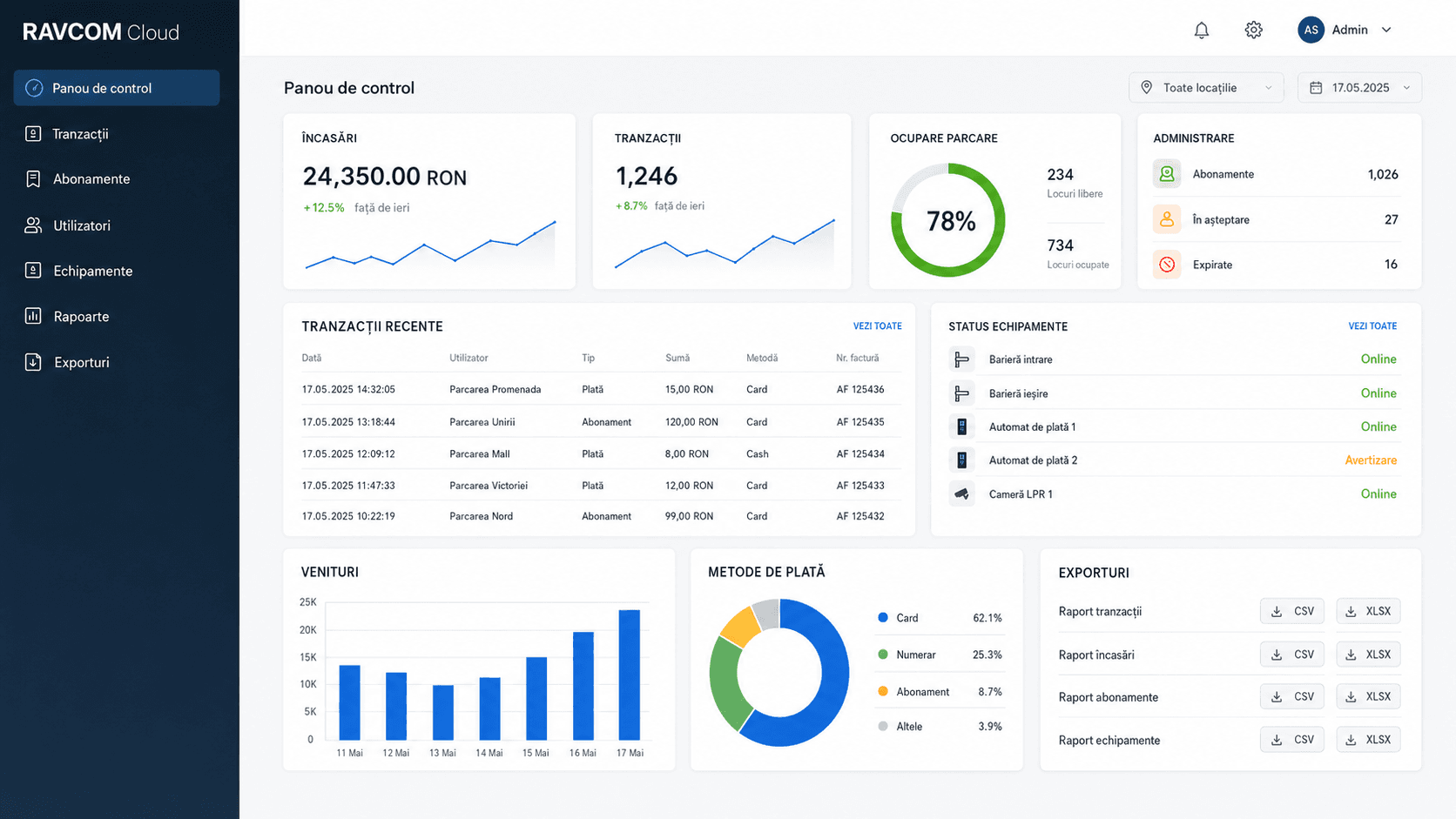
RAVCOM systems let you set the retention period, control access to the records and separate the data flows. We prepare the technical side so compliance is easy to maintain — the legal decisions (basis, retention, notices) stay with the operator, ideally with a specialist's support.
Frequently asked questions
Does this page replace a technical offer?
Can I use this to compare suppliers?
How do I get a concrete recommendation?
More in this category
Want GDPR-compliant LPR? Ask for recommendations along with the system's documentation.
You get a configuration that fits your site and an indicative estimate. We get back to you within 24 hours on working days.