Smart City: integrated automated payments for cities
A modern city collects payments automatically and transparently. RAVCOM integrates parking meters, public parking, toilet access and centralised reporting into one smart city infrastructure, implemented in phases and easy to administer.
The problem it solves
Every payment point a city runs by hand is a queue for citizens and a blind spot for the budget. In practice, most losses come from unclear flows: access granted by hand, payments that are hard to trace, missing reports, dependence on staff and interventions with no history. That is why the solution has to be designed as a system, not bought as an isolated piece of equipment.
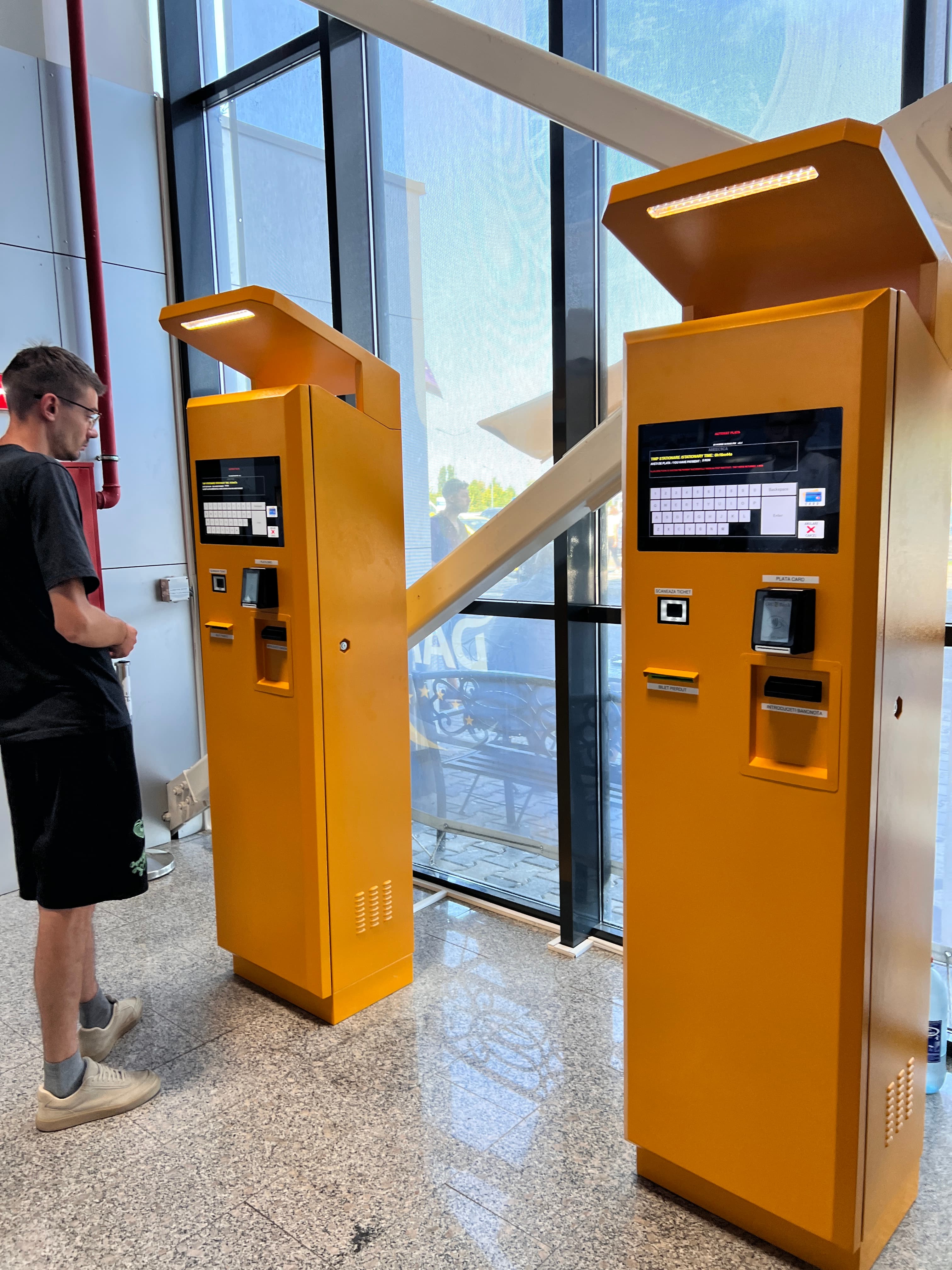
What the recommended configuration includes
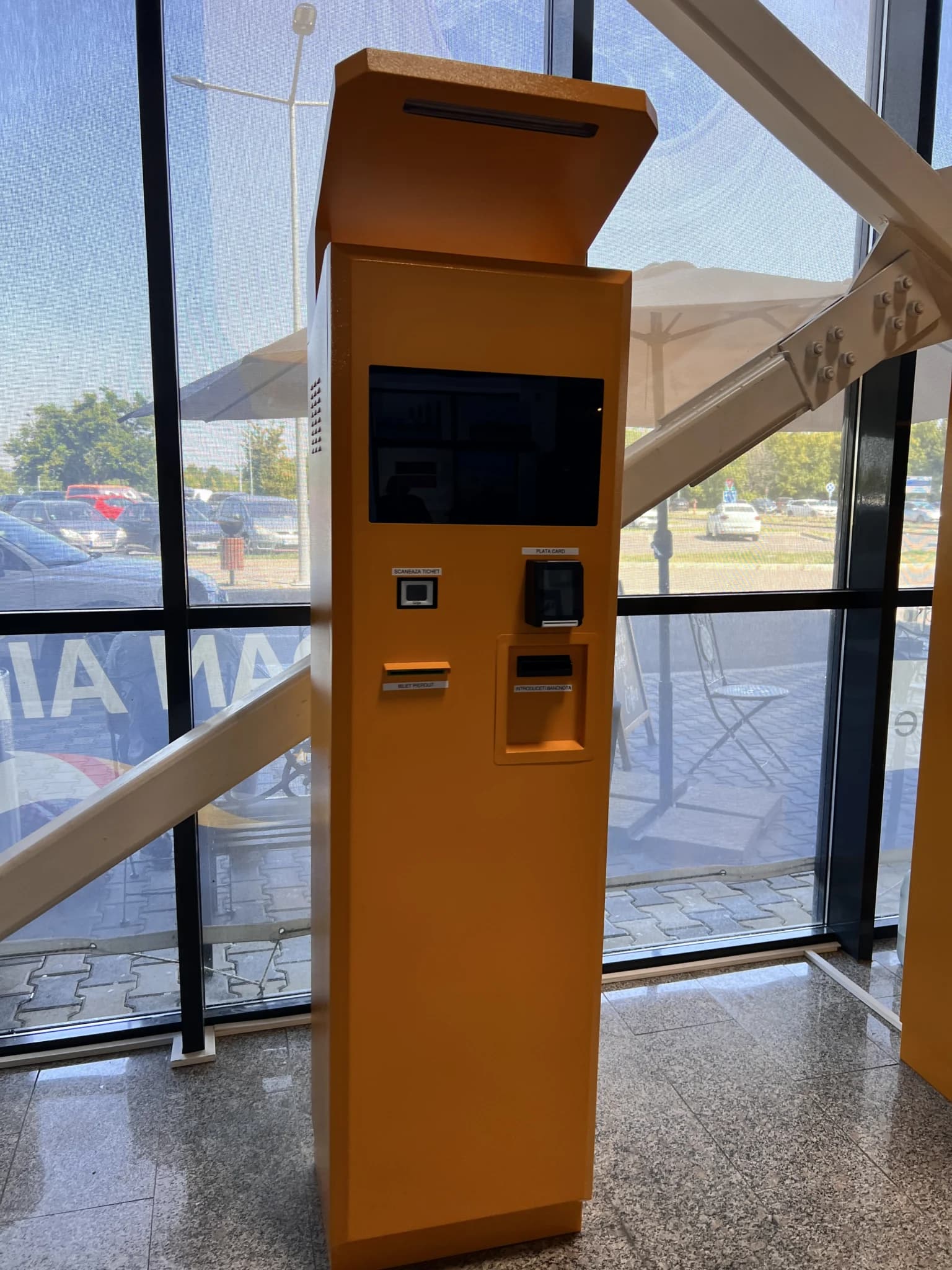
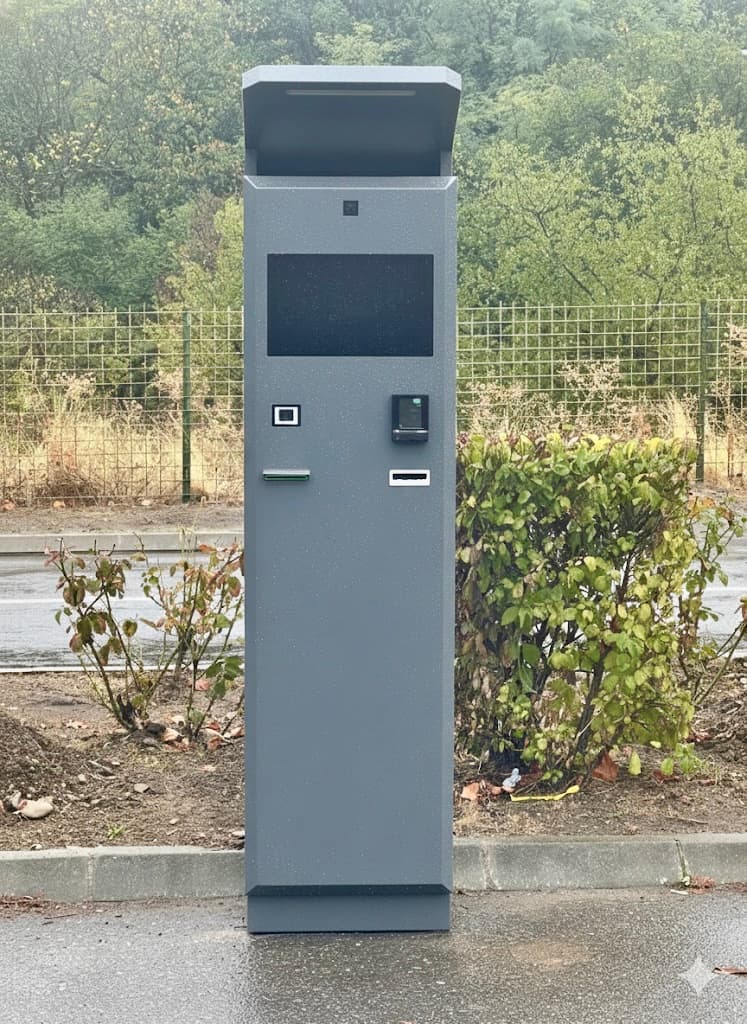
- street parking meters by zone, with card payment
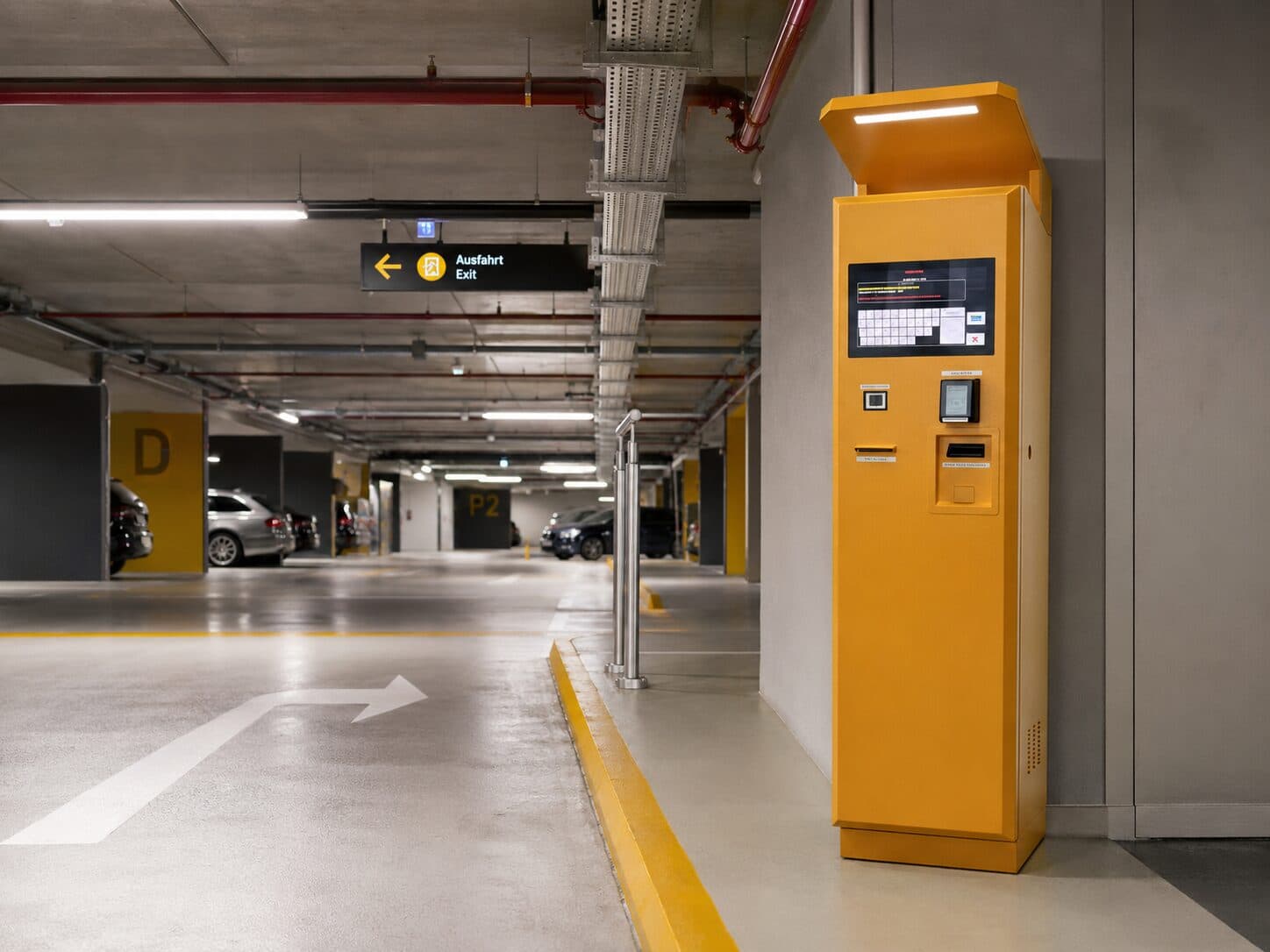
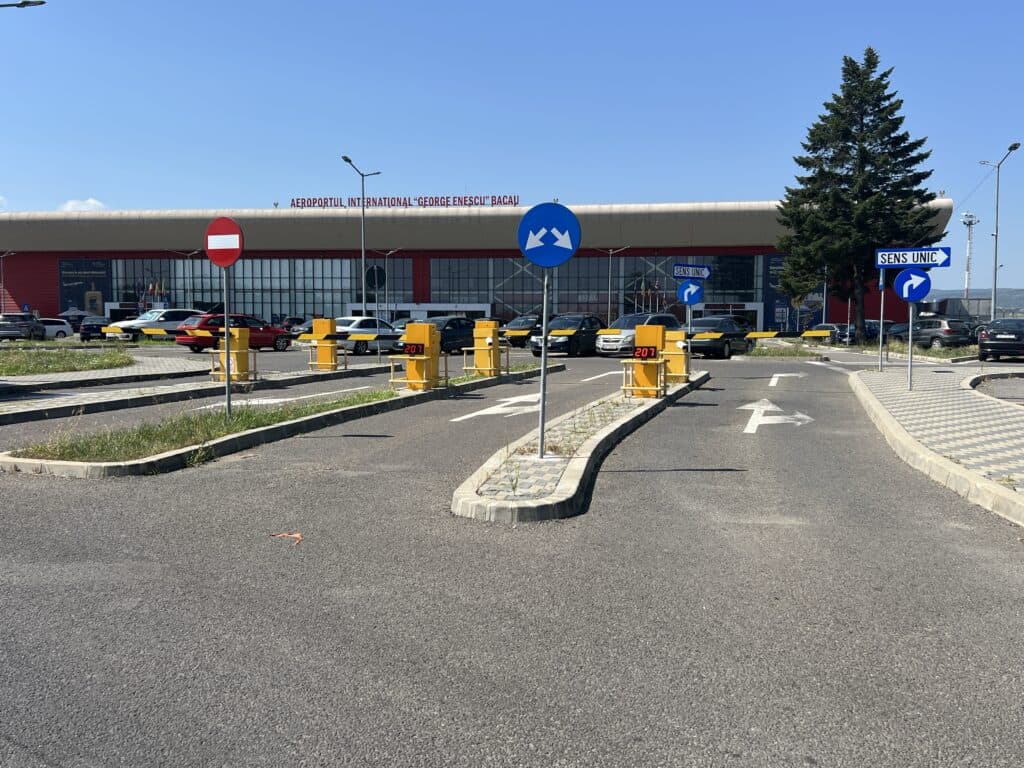
- paid public parking with access control
- paid access for public toilets
- centralised reporting of all revenue
- phased implementation, by priority
Benefits for the operator
- controlled payments and access
- more efficient operation
- clearer reporting
- a single point of responsibility
- modular scaling
Which types of sites it suits
The configuration can be adapted for private car parks, commercial spaces, office buildings, hospitals, residential compounds, tourist areas, local authorities, transport terminals or any site with paid access. The difference is rarely the number of machines — it is how the flows are defined: who enters, who pays, who holds a subscription, who gets temporary access and which reports you actually need.
How you know the system is working
After go-live, track a few simple indicators: revenue per interval, transaction counts, access times, subscription usage, manually handled exceptions, technical interventions and user feedback. They show whether the system merely works on paper or genuinely improves how the site runs.
How RAVCOM implements it
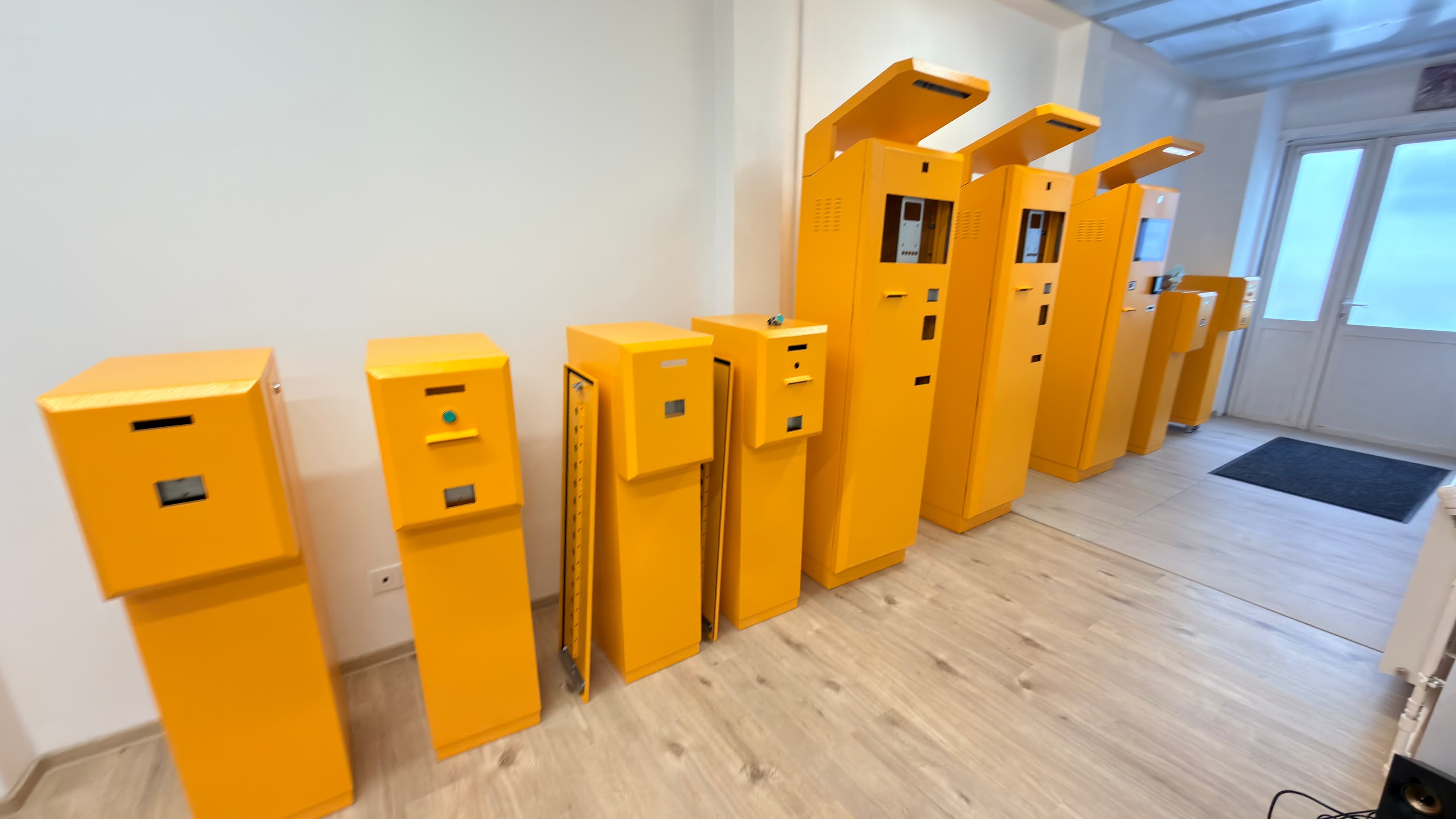
RAVCOM starts from a site assessment and maps the flows: entry, exit, payment, subscriber access, exceptions, reporting and maintenance. The equipment is assembled and tested in Bucharest, then integrated with the software and the access components. After installation, your team gets operator training and a clear path for service.
Integration examples
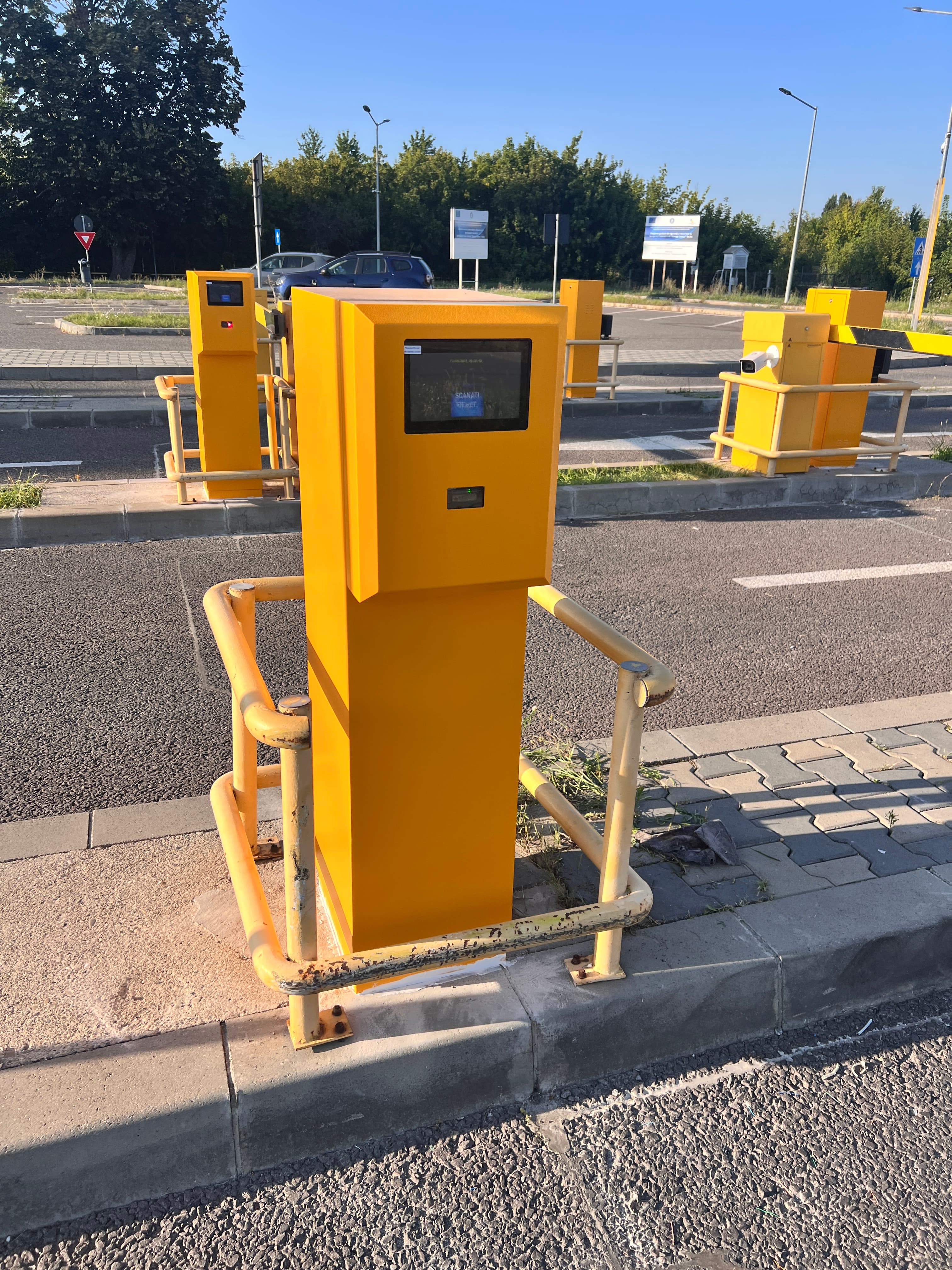
Depending on the project, the same starting point can lead to different configurations: a full system with barriers and a pay station, LPR-only access control, ticketing with turnstiles, street parking meters, or a retrofit on top of existing equipment.
What to decide before the quote
- the number of entries, exits and payment points
- the payment methods you need
- the user types: customers, employees, subscribers, visitors, suppliers
- LPR/ANPR or ticket-based access
- reporting and local or cloud administration
- the physical mounting and power conditions
Frequently asked questions
Can this be configured for my site?
Does RAVCOM deliver just the equipment, or the implementation too?
Can I add LPR, cloud or other modules later?
More in this category
Ask for a conversation about a smart city project for your town.
You get a configuration that fits your site and an indicative estimate. We get back to you within 24 hours on working days.